
Harnessing And Recovering the Intelligence Of Microbes
(HaRiOm) in Engineered and Natural Ecosystems
About us
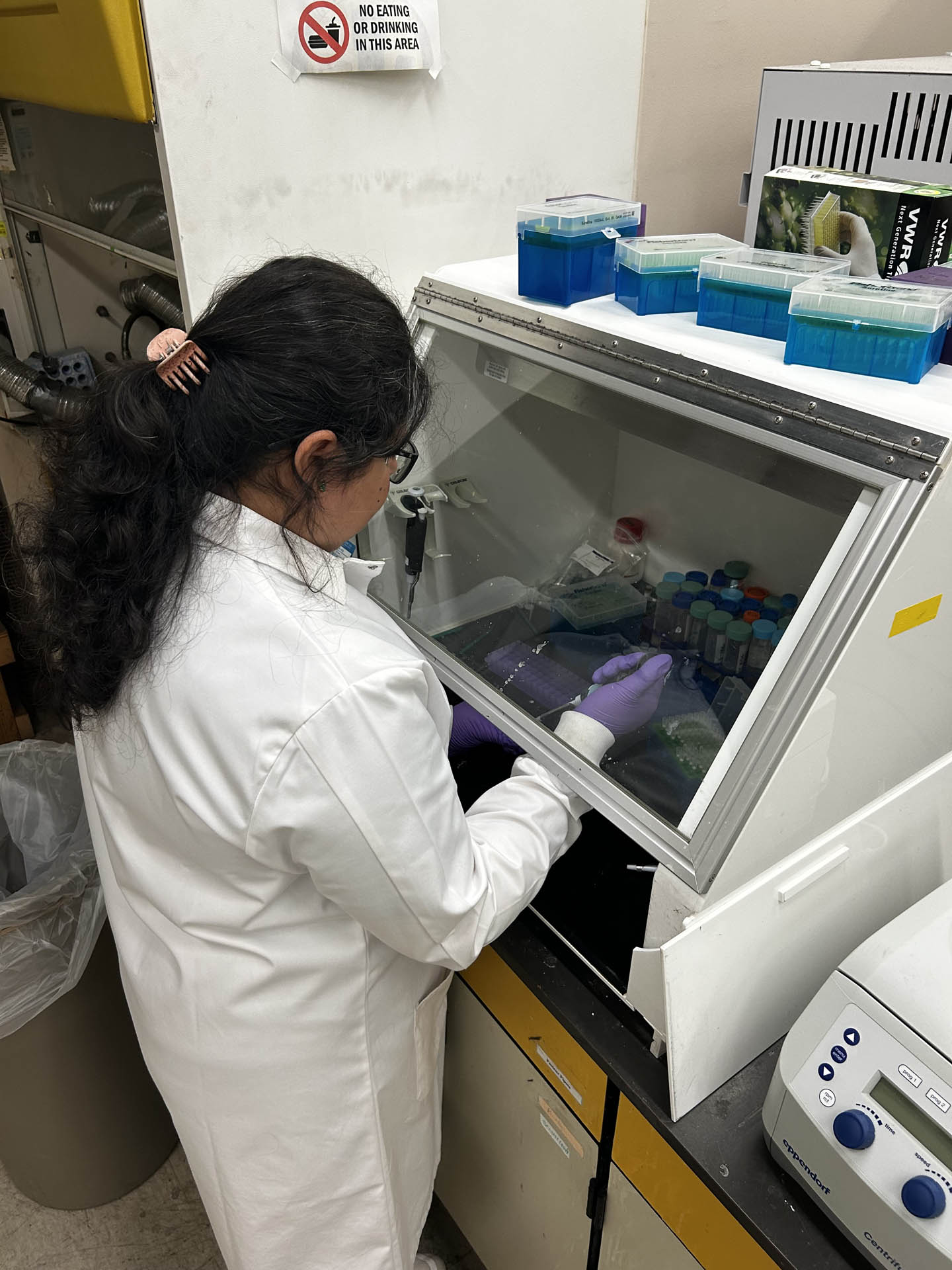
Microorganisms, such as bacteria and viruses, comprise engineered and natural ecosystems, which play a crucial role in environmental sustainability and human health. As single-cell Intelligent organisms, microbes display altruistic or cooperative behavior, providing many useful functions needed for the functionality of engineered and natural ecosystems. Dr. Goel’s lab studies the role and function of microbes in engineered and natural ecosystems, utilizing their positive attributes to recover resources from waste materials. Lab-scale and pilot-scale bioreactors are used to develop and optimize intensified treatment processes for liquid waste to reduce carbon emissions and combat population increase. Natural ecosystems such as streams and lakes are studied for nutrient dynamics, their role in harmful algal bloom formation, and the molecular mechanisms underlying HAB formation. Dr. Goel’s lab is one of the leaders in bacteriophage (viruses that only infect bacteria) related research, where our research group uses phages as therapeutics and understands their role in bacterial ecology and diversity. Advanced bioinformatics to analyze metagenomics and metatranscriptomics data recovered from engineered bioreactors and natural ecosystems is also an integral component of the HariOm lab. The objective is to understand the interactions among many microbes and phages, understand the niche differentiation in microbes, lay down metabolic pathways, and define unique attributes that explain the distinctive functions of bioreactors and ecosystems.